
Unraveling the Universe’s Biggest Mysteries
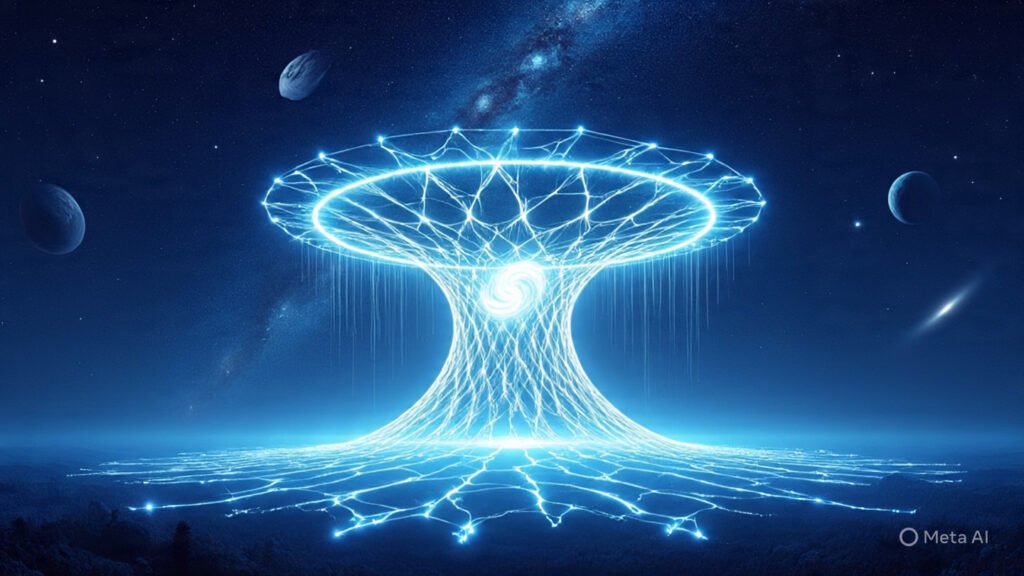
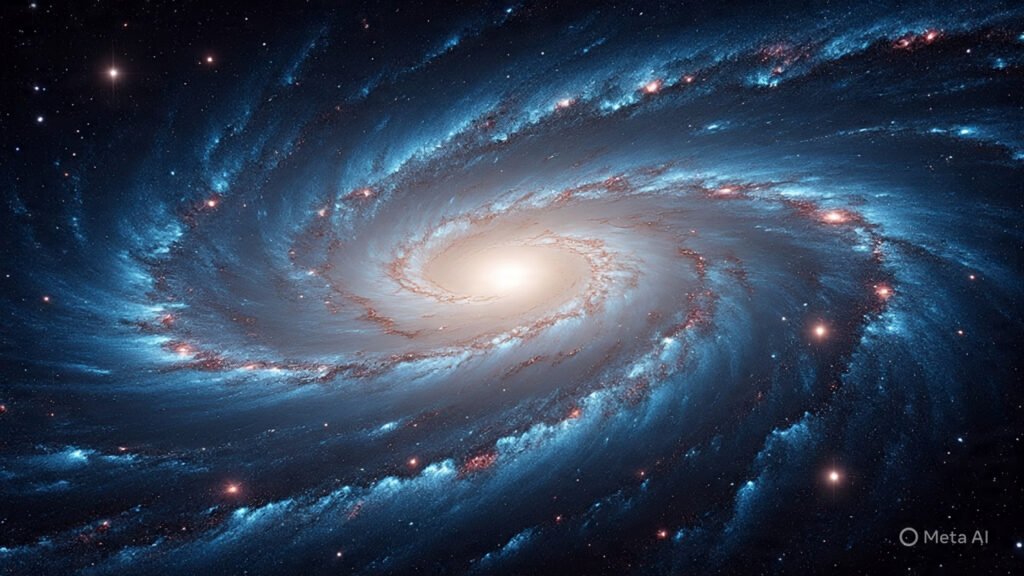
As we explore the universe, we are constantly reminded of how much we still have to learn. From the mysterious force of dark matter to the intriguing Great Attractor, there are many phenomena that continue to puzzle scientists. In this article, we will delve into some of the most significant mysteries of the universe, exploring what we know and what we hope to discover.
1. Dark Matter: The Invisible Force

Dark matter is a type of matter that does not emit, absorb, or reflect any electromagnetic radiation, making it invisible to our telescopes. Despite its elusive nature, scientists have been able to infer the presence of dark matter through its gravitational effects on visible matter. It is estimated that dark matter accounts for approximately 27% of the universe’s mass-energy budget. However, scientists still have little idea what dark matter is composed of, and its exact nature remains one of the biggest mysteries of modern astrophysics.
2. The Great Attractor: A Region of Space
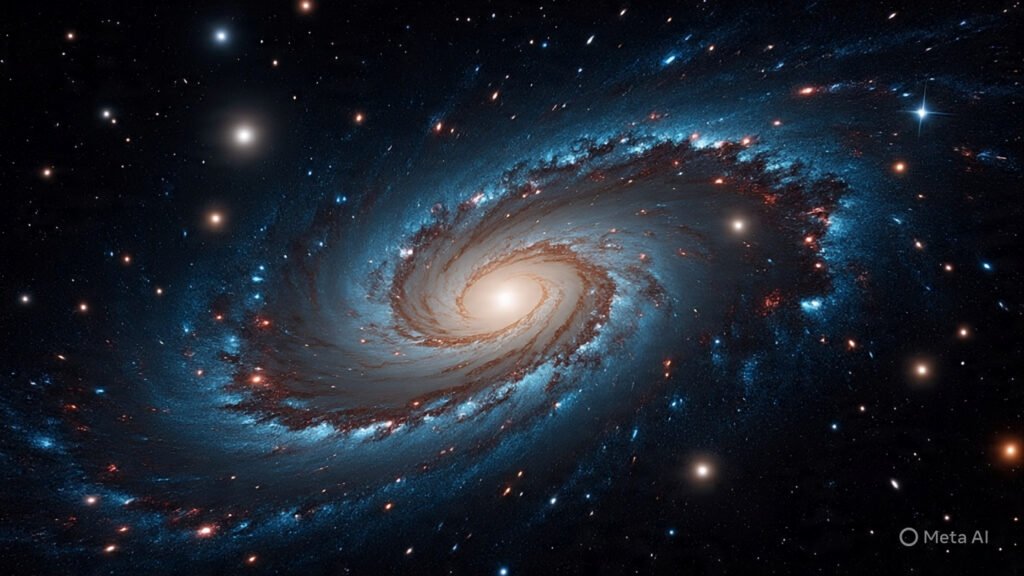
Our galaxy, the Milky Way, is being pulled towards a region of space known as the Great Attractor. This phenomenon was discovered in the 1970s, and scientists have been trying to understand its nature ever since. The Great Attractor is a region of space that is pulling our galaxy, along with many others, towards it. The force of this attraction is so strong that it is even affecting the motion of galaxies at vast distances.
3. Dark Energy: The Accelerating Force
Dark energy is a mysterious force that is driving the accelerating expansion of the universe. It is estimated that dark energy accounts for approximately 68% of the universe’s mass-energy budget. However, scientists are still unsure what dark energy is or why it is dominating the universe. Researchers have proposed various theories to explain the nature of dark energy, but none have been proven conclusively.
4. The Coronal Heating Problem

The sun’s outer atmosphere, the corona, is much hotter than its surface. This phenomenon is known as the coronal heating problem, and scientists have been trying to understand its cause for decades. The laws of physics as we know them do not provide an explanation for this phenomenon, and researchers have proposed various theories to explain the heating of the corona.
LIKE THESE FACTS SUSCRIBE TO NEWSLETTER
5. Supermassive Black Holes: How Did They Get So Big?
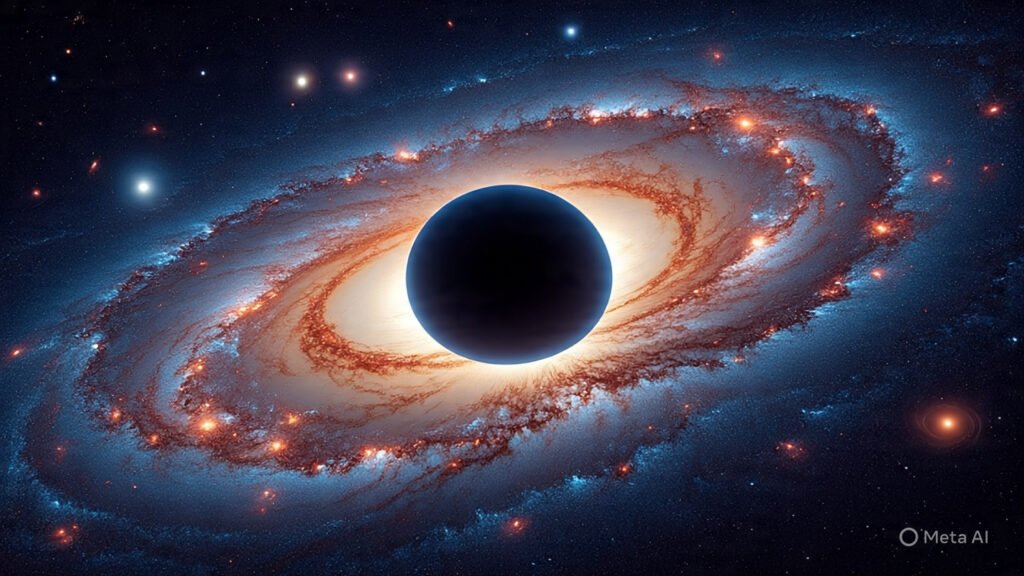
Supermassive black holes reside at the hearts of galaxies, and scientists are unsure how they grew to be so massive. The James Webb Space Telescope has discovered these black holes in the early universe, which has raised more questions than answers. Researchers are still trying to understand how these black holes formed and evolved over billions of years.
6. JuMBOs: Jupiter-Mass Binary Objects
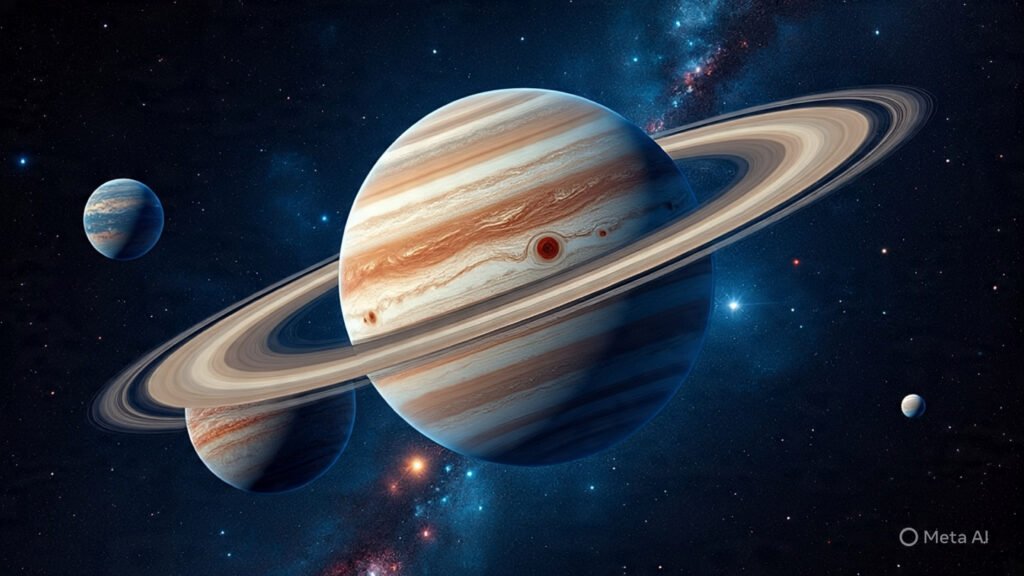
JuMBOs are mysterious objects that are too small to be stars but too large to be planets. Scientists are unsure how they formed or why they exist in binary pairs. Researchers have proposed various theories to explain the nature of JuMBOs, but none have been proven conclusively.
7. The Singularity at the Heart of Black Holes
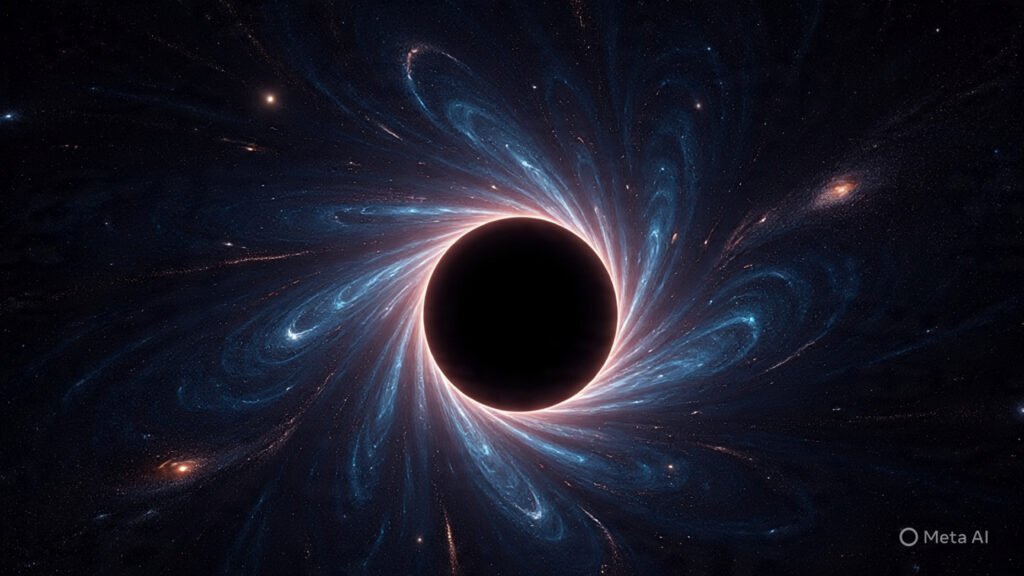
The laws of physics break down at the heart of black holes, known as singularities. Scientists are still unsure what happens at these points, as our current understanding of physics is unable to explain them. Researchers have proposed various theories to explain the nature of singularities, but none have been proven conclusively.
8. The Tilt of Uranus
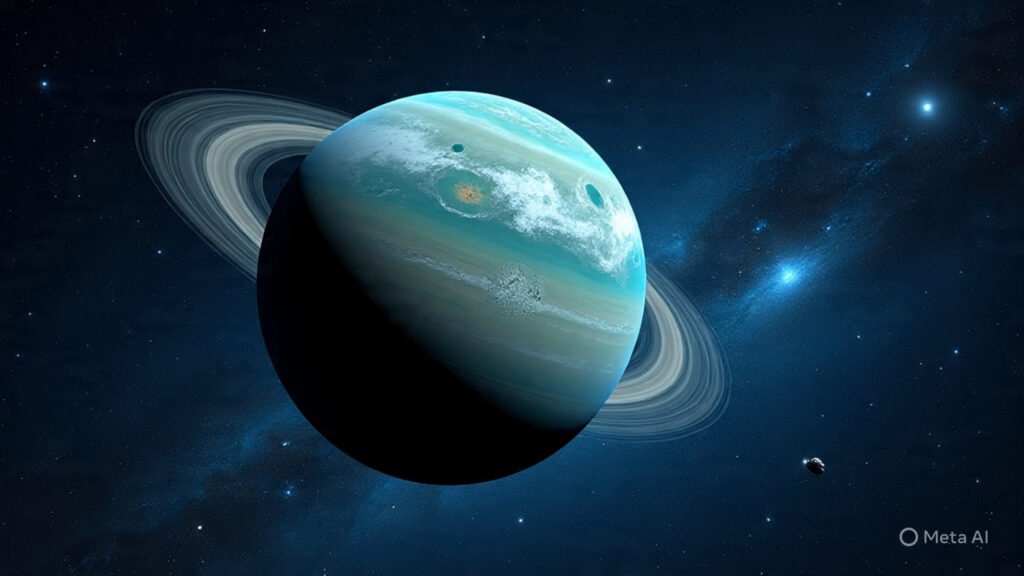
Uranus is tilted on its side, which is unusual compared to other planets. Scientists believe that a massive object collided with Uranus in the distant past, causing its unusual tilt. However, this theory is still speculative, and researchers are still trying to understand the exact cause of Uranus’ tilt.
As we continue to explore the universe, we are constantly reminded of how much we still have to learn. The mysteries of dark matter, dark energy, and the Great Attractor are just a few of the many phenomena that continue to puzzle scientists. However, by continuing to explore and research the universe, we may one day uncover the answers to these mysteries and gain a deeper understanding of the cosmos.